
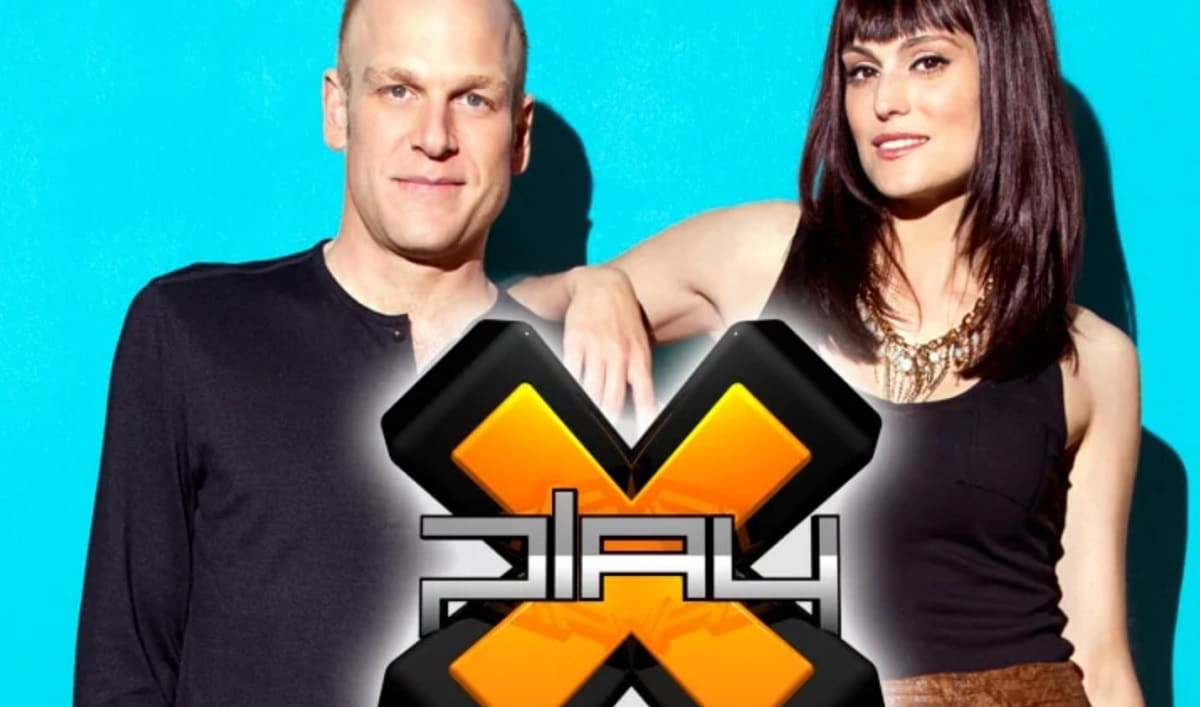
Gamers who came of age around the turn of the century no doubt have fond memories of one of the first video game-centric television shows: X-Play, starring Adam Sessler and Morgan Webb.
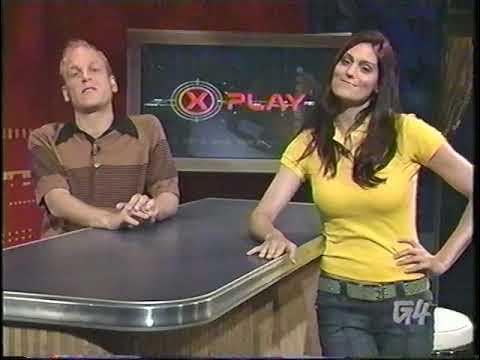
Looking back from a modern viewpoint, the show can seem quaint and definitely carries an air of “the times,” as Webb and Sessler’s very 2000s wardrobe is quick to point out. But younger gamers may not understand why the show is so ingrained in older gamers’ minds. It’s important to remember that 25 years ago, it was relatively rare to see actual video footage of upcoming games, as the primary medium for games journalism was through magazines. Thus, X-Play was born, becoming one of gaming culture’s most memorable artifacts of the early 2000s.
TechTV and the Birth of a Show
At the start of the dot-com boom, a small Bay Area-based television station formed to capture the exciting and fast-paced development of technology companies in and around San Francisco. TechTV was formed, led by original programming like “The Screen Savers,” “Call for Help,” and, of course, “GameSpot TV.”

Launched alongside the channel in 1998, GameSpot TV was the station’s second most popular production. Hosted by Bay Area locals Adam Sessler and Lauran Fielder, it partnered with the gaming journalism website GameSpot to cover video game news, previews, and reviews. GameSpot, wanting to move to more web video content, chose not to renew their partnership with TechTV in 2001, and the show was rebranded to Extended Play. Extended Play gained a larger budget and staff, now equipped to handle video game journalism without the resources of GameSpot’s journalists. Production moved to the Sony-owned Metreon mall in downtown San Francisco.
At the same time, The Screen Savers—a technology variety show incorporating elements of daytime talk shows, sketches, and news—enlisted a young producer named Morgan Webb. Her role was to research and discuss internet culture and trends during the broadcast. Morgan proved extremely popular with viewers, and talks began to circulate among TechTV executives about giving her her own program.
The Rise of X-Play
Despite remaining one of TechTV’s most prominent shows, Extended Play faced declining viewership and was the station’s most costly production. Furthermore, Lauran Fielder was hesitant to renew her contract, as she didn’t identify with the show’s content as well as Sessler did, and began looking for a bigger career in entertainment. In response, TechTV replaced Fielder with Extended Play associate producer Kate Bortello, a person with greater interest in gaming culture. Kate’s presence did little to alleviate viewership problems, and she would eventually leave the show herself to pursue a career in theater, leaving Sessler to host the show alone for several episodes.
Executives at TechTV began plans to reformulate Extended Play into something more entertaining, more playful, and in an affiliate-friendly 22-minute episode format. They also invited Morgan Webb, who was well-versed in video games and the game industry, to join Sessler as a co-host. Extended Play was canceled in 2003 and rebranded to the form of the show most familiar to audiences: X-Play.
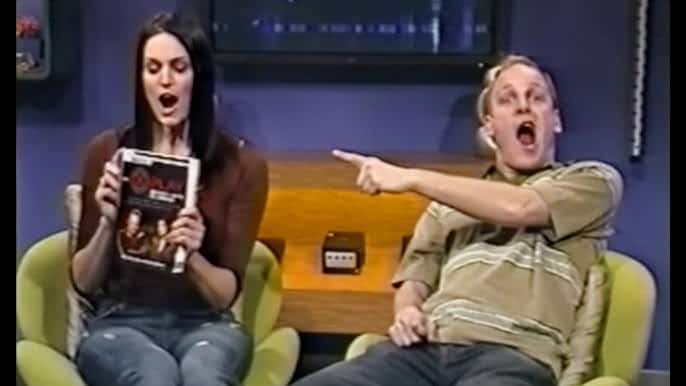
X-Play would incorporate humor and sketches into its show, but would also treat games with a respect that had yet to be seen, with reviews written by professional journalists. Sessler and Webb proved to be a winning combination as viewership soared, and the show quickly became one of the highest-viewed variety shows on cable television. The show also catered to an older audience and broadcasted later in the night, allowing for more adult-oriented humor and content. The show was so popular that Sessler and Webb survived the absolute corporate gutting that occurred when the network G4 acquired TechTV in 2004 and moved production to Los Angeles.
Struggles and Departures
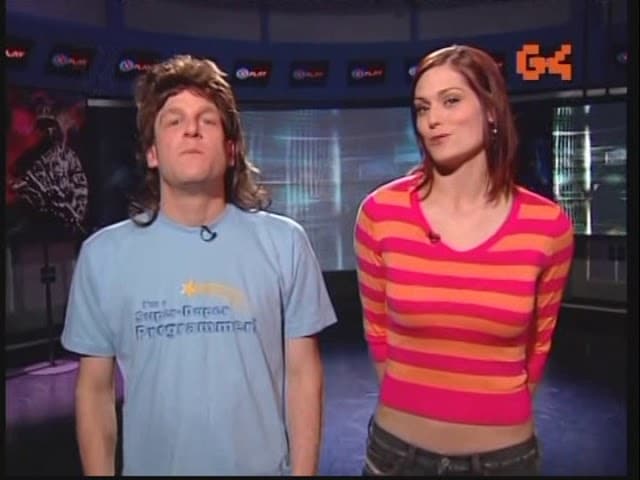
The following two years saw Sessler and Webb in a constant battle with G4 executives, who sought to juvenilize the show’s humor and overly sexualize Webb for their perceived younger male audience. Despite the behind-the-scenes drama, X-Play saw its most viewership ever in the years between 2004 and 2006, but began to see drastic declines as the show struggled with emerging web platforms like YouTube. In a particularly devastating incident, the reveal of the much-anticipated Halo 3 was interrupted by local affiliates cutting to a commercial break, unaware of the importance of the live show reveal.
The show continued to struggle with ratings and staying relevant as online video platforms began to overtake broadcast TV in the late 2000s. The show received drastic budget cuts, and production was moved to the E! Entertainment production lot. Despite this, the show continued without further shakeups for years, until 2012, when Adam Sessler’s contract with G4 was mysteriously and suddenly terminated.
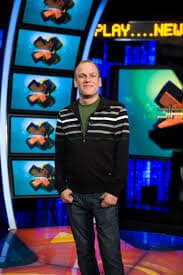
Few details of Sessler’s departure have come to public light, but all point to an unamicable split. Rumors were that Sessler was dissatisfied with the direction of the show and had sought greater creative control, putting himself in contention with the show’s producers. Sessler left unceremoniously with little explanation to the audience and joined Revision3, a short-lived Bay Area production studio focused on creating original content for streaming services. After the studio’s closure, Sessler began exploring opportunities in gaming journalism, leaving Webb as the sole host of X-Play.
With the ratings in decline and the departure of its host, G4 decided to end X-Play. The final episode was hosted by Webb and the show’s production staff, and saw them auctioning off parts of the set for charity. The show ended having produced exactly 1,300 episodes. Webb would go on to join Activision Blizzard as a creative consultant on World of Warcraft, hosting the studio’s monthly livestreams, “WoW Source.”
The Revival
Webb and Sessler reunited in 2016 to host Bethesda Software’s E3 presentation. The duo was so well received that talks began about reviving X-Play to capitalize on the pair’s popularity. The issue became Webb’s schedule, as she had become a successful Producer in the game industry and could not commit to the weekly schedule needed to produce the show. Furthermore, Sessler refused to relocate from the Bay Area to Los Angeles.
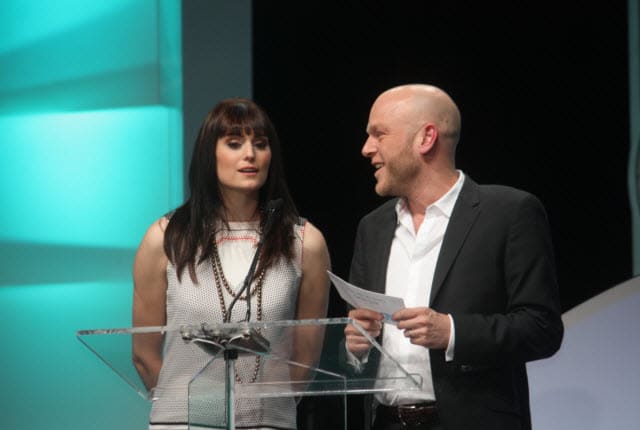
After four years of stalled progress, the decision was made to bring the show back in 2021, but this time with a rotating cast of co-hosts joining Sessler, who would film the show from his apartment. Webb was joined by YouTube personalities such as “The Completionists” and e-sports broadcaster “GoldenBoy.”
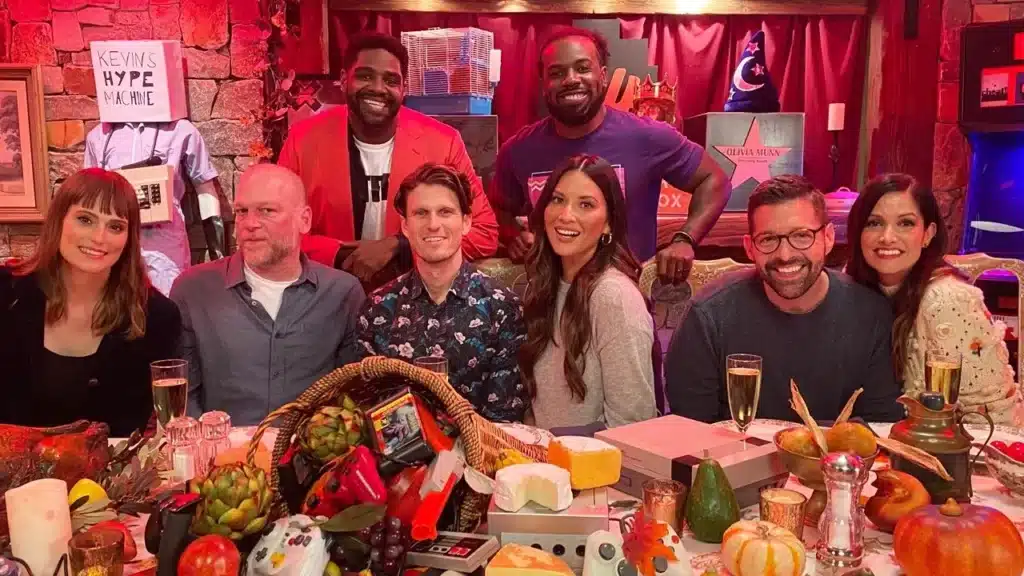
One of the rotating hosts was Indiana “Froskurinn” Black, a well-known League of Legends broadcaster, who began to openly express her opinion that X-Play viewers were criticizing her as “not as hot” as previous G4 personalities Morgan Webb and Olivia Munn. Sessler granted Black approval to use a portion of episode time to express her discontent over the sexualization of herself alongside Webb and Munn, asking audiences to recognize the cultural changes that had occurred since the original show had gone off the air.
Social media users rallied against Black, who began receiving threats and hostile messages online. Both the network and Sessler defended Black, who would continue to work on the show for the remainder of the year. Facing declining viewership, a number of production staff and hosts were let go from X-Play in September 2022. In response, Black announced to disgruntled social media users that she “had survived” the layoffs. The response was seen as insensitive by executives, and Black was bought out of the remainder of her contract. Shortly after Black’s departure, G4 announced that X-Play would be canceled at the end of its current season.
The show ended somewhat unceremoniously, fitting for a broadcast that had been kicked around so much despite its popularity. Sessler would go on to write for his own independent blog, “Not Your Monkey,” while Webb continued her career in the game industry, serving as a Producer at indie developer Bonfire Studios.
