
Nintendo viewed the DS as a major gamble internally. Facing sluggish performance from their main home console, the Nintendo GameCube, the company was wary of disrupting their cash cow: the Game Boy Advance and its Pokemon games which dominated the portable console market. Nintendo knew that one of its chief competitors, Sony PlayStation, planned to enter the portable space with its PSP. The Game Boy Advance would soon begin showing its age.
Nintendo, never keen on going all-in on cutting-edge hardware, instead wanted to create a unique experience. They envisioned a device that could play games no other device could. The dual-screened Nintendo DS solved this problem. It featured the first mass-market touchscreen in a portable device years before the iPhone debuted.
Still, internal confidence in the device remained shaky, especially after the failure of the Virtual Boy years earlier. Nintendo instead called the new system a “third pillar” to supplement the Game Boy Advance, not replace it. This was despite a cartridge slot that allowed the device to be backwards compatible with most of the Game Boy Advance library, just as the GBA was with the original Game Boy.
Despite this early trepidation, the Nintendo DS launched in 2004 and became the best-selling portable game console of all time. It is the second best-selling console ever, trailing only Sony’s PlayStation 2 (until the Nintendo Switch claimed the number two spot late last year). The DS and its older brother, the 3DS, remain unique because they are particularly hard to emulate on other hardware. This isn’t due to a lack of CPU or GPU prowess. It’s because the devices contain two screens, while most other devices are limited to one.
This hardware quirk has caused the second hand cost of both the DS and 3DS to skyrocket in recent years. The recent interest in dual-screened devices has caught the attention of emulation manufacturers like Anbernic, who began releasing their own line of two-screened handhelds. Fans of foldable Android devices like the Samsung Galaxy Fold also have the perfect form factor for DS emulation. Even if you don’t have a device that’s perfect for mimicking the two screens, several emulators feature tools to swap between the two screens or display them side-by-side. As more people begin experimenting with DS emulation, the obvious next question is: what should you play?
The Nintendo DS was a juggernaut, so let’s skip the games everyone knows
The DS hosted some of the best RPGs ever released, and RPGs have a knack for standing the test of time. The console is still one of the best places to play if you want an endless selection of classic role-playing games. But don’t sit on some of the other classics from the era. Platforming fans also ate well; games like New Super Mario Bros. are especially great.
In order to focus on games that you may not know, I’ll be skipping most of the first-party big sellers (New Super Mario Bros., Mario Kart DS, Nintendogs, and all the Pokemon games). These games are absolutely worth your time, but this list focuses on games that are well-regarded but weren’t major sellers. These aren’t in any particular order—just ten games you should pick up and play.
1. Hotel Dusk: Room 215
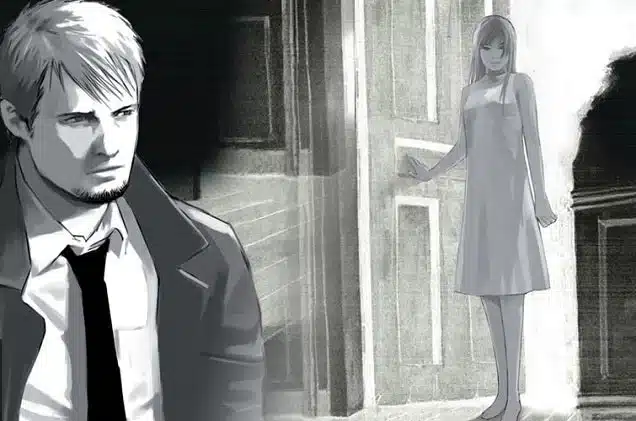
A point-and-click adventure game starts us off. The unique capabilities of the DS shine here. Puzzles require almost all of the device’s gimmicks, including the microphone, touchscreen, and even closing the DS’s clamshell. Created by the now-defunct Japanese studio Cing, Hotel Dusk tells the story of former NYPD detective Kyle Hyde on his quest to solve the mystery of his missing partner.
The game delivers a classic film noir experience in both story and art direction. At the time, critics called the game somewhat linear, but the creative puzzles and adult-themed story have given this game legs beyond its release. If you’re interested, seek out the equally intriguing sequel, Last Window: The Secret of Cape West, which was released only in Japan and Europe. The studio shuttered before it could bring the game to the US, but the European version works perfectly for English speakers.
2. Rune Factory 3
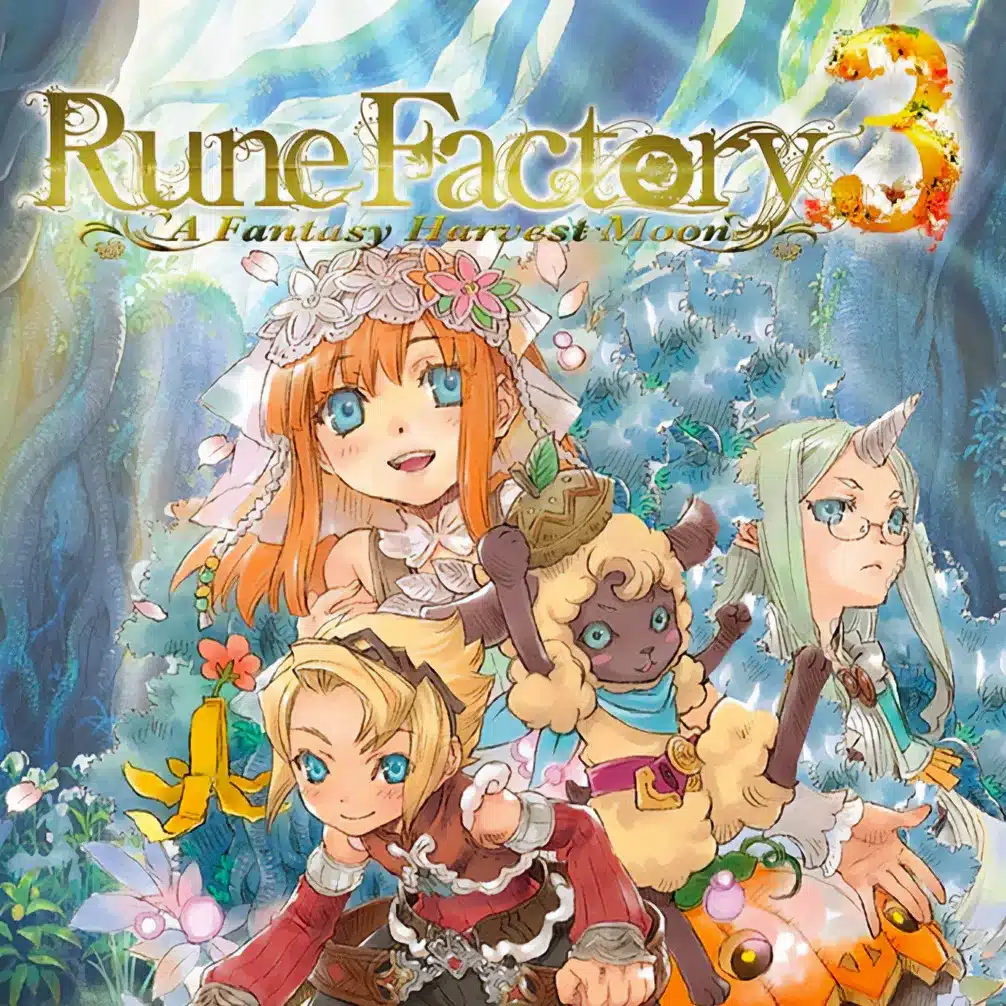
On a system carried by its library of old-school RPGs, Rune Factory 3 stands out as one of the most addictive games I’ve ever played. Originally a spin-off of the Harvest Moon (Story of Seasons) series, Rune Factory emphasizes combat and dungeon adventures. However, it still retains the farming and life sim aspects that made its sister series so popular.
Rune Factory games thrive on an extremely robust leveling system. In this game, almost everything you do—from running and fighting to even wooing local villager girls—levels up your skills. This, in turn, grants bonuses to your character in combat. This means each day you can pick what you want to do, whether it’s farming, raising crops, exploring dungeons, or crafting. The result is an extremely intoxicating game loop. You’ll find yourself trapped in the “just one more game day” dilemma you may have experienced with games like Stardew Valley.
3. Castlevania: Dawn of Sorrows
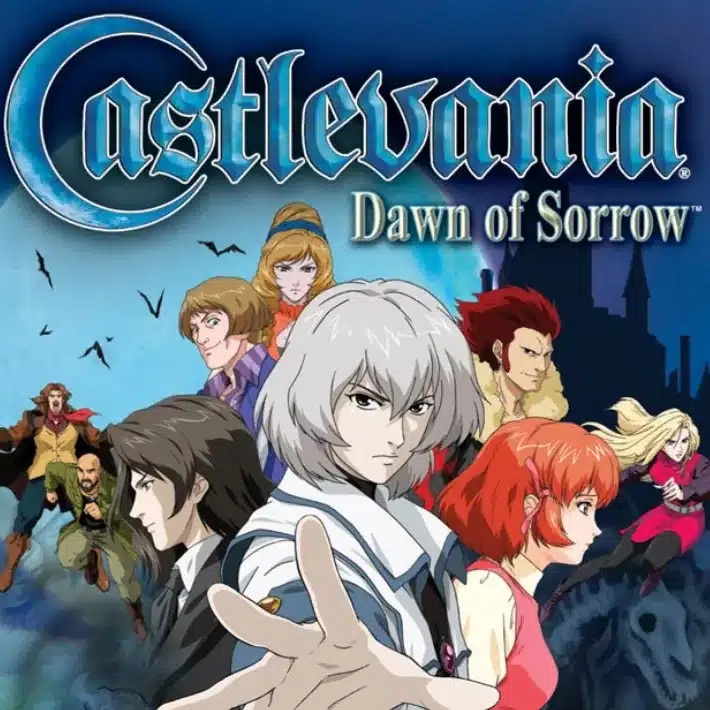
The Castlevania series struggled to find its way in modern times. It didn’t really survive the switch to 3D like other classic platformers. Instead of modernizing the Dracula-slaying games, developer Konami looked to its beloved PS1-era releases for inspiration for the DS line of Castlevania games.
The results are incredible throwbacks filled with beautifully detailed 2D art and challenging platforming and fighting. All of the Castlevania DS games are winners, but the clear standout is Dawn of Sorrows. Even casual fans of the series or 2D platformers will find something to love in what was one of the DS’s highest critically rated games.
4. The World Ends with You
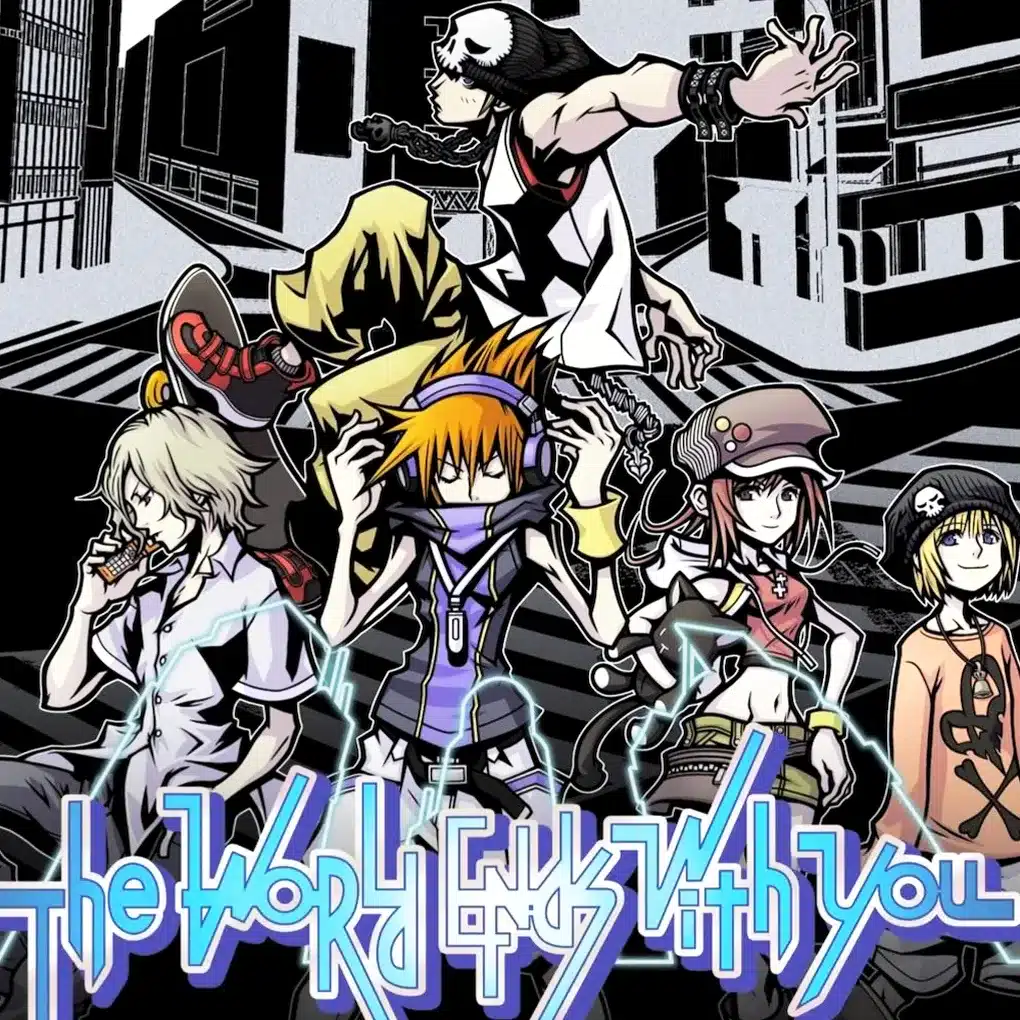
This game is probably more familiar within certain circles of RPG enthusiasts than it is with everyday gamers, but The World Ends with You is widely regarded as one of the best games on the system. Co-developed by Square Enix and Jupiter, the game makes fantastic use of both screens to create a combat system unlike anything else.
Taking place in modern Shibuya, Tokyo, players take on the role of Neku Sakuraba and his friends. These young people were recently killed, but they receive a second chance at life if they succeed at completing a game created by entities known as Reapers. The story feels as confounding as anything from the house of Kingdom Hearts, but it absolutely oozes style.
To succeed, you must really embrace the culture of Shibuya. Matching popular fashions and eating at the trendiest restaurants all factor into the characters’ RPG systems. When combat occurs, the player must split their attention. One party member appears on the bottom screen and is controlled via stylus, while the other appears on the top screen and is controlled via D-pad. Even if you don’t play this on DS, the mobile version released later is the perfect game for iPad or Android tablets.
5. Grand Theft Auto: Chinatown Wars
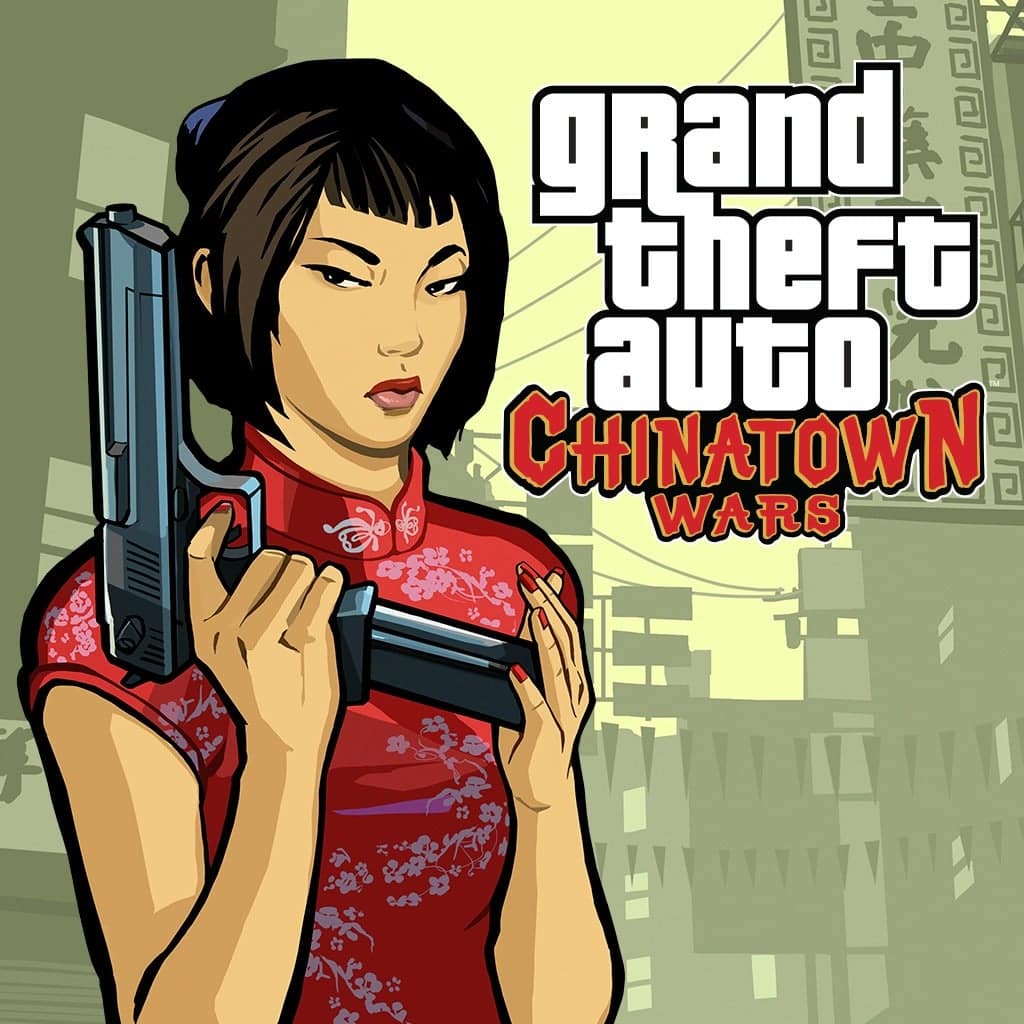
Holy shit. It’s an entire Grand Theft Auto game with the scale of the console releases. It was exclusive to the DS, though later releases on PSP and mobile lacked the charm of the original because they axed features that needed the DS hardware. Chinatown Wars recreates almost the entirety of the map from Grand Theft Auto IV, but from a top-down perspective reminiscent of the earlier GTA games.
Don’t let the name mislead you into thinking this is just another cash-out. Chinatown Wars is the full experience. It tells the tale of Triad gangster Huang Lee on his quest to restore his family’s honor. The game features music from composers such as Deadmau5, a unique cel-shaded art style, and a hopelessly addictive drug-selling mini-game. GTA: Chinatown Wars is one of the DS’s biggest games. It holds both the record for the largest budget for a DS game and the largest codebase. Don’t miss this if you’re a fan of the series.
6. Super Scribblenauts
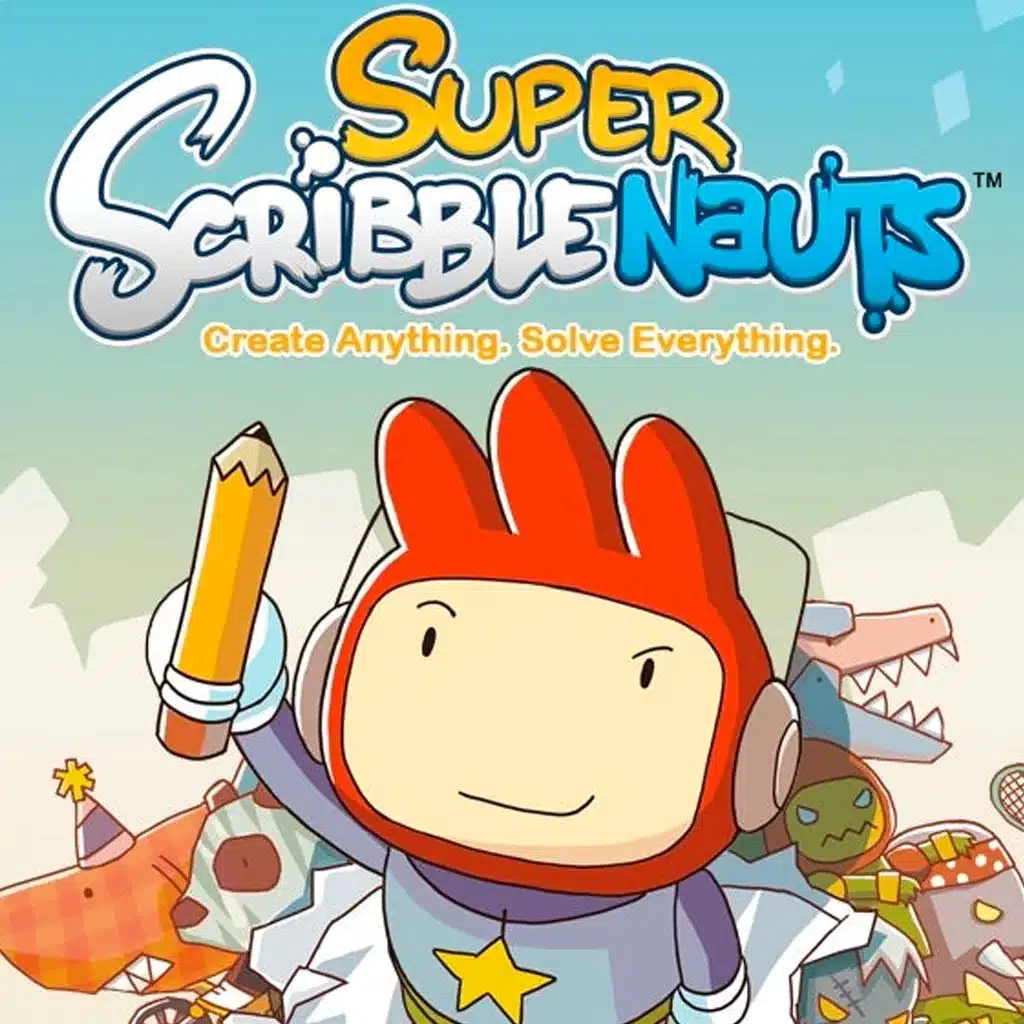
One problem with puzzle games is that the player often has to think like the developer. The developer has figured out one solution to a puzzle and you must figure out what that solution is. Not so in Scribblenauts.
This game was ahead of its time. It tasks players with solving puzzles, but they can use nearly anything their imagination can think of.
The main gimmick involves using an onscreen keyboard to conjure objects from the game’s library of hundreds of thousands of items. This means you can solve puzzles in a variety of ways. Instead of summoning a ladder to reach an object on a high-up shelf, why not summon a dinosaur and have it demolish the shelf? Or, you could summon a DJ to throw a massive party that causes the ground to shake until the object falls to the floor. It’s endlessly entertaining to see what the game will let you do. Best of all, it includes level editors for players to build their own puzzles.
7. Might and Magic: Clash of Heroes
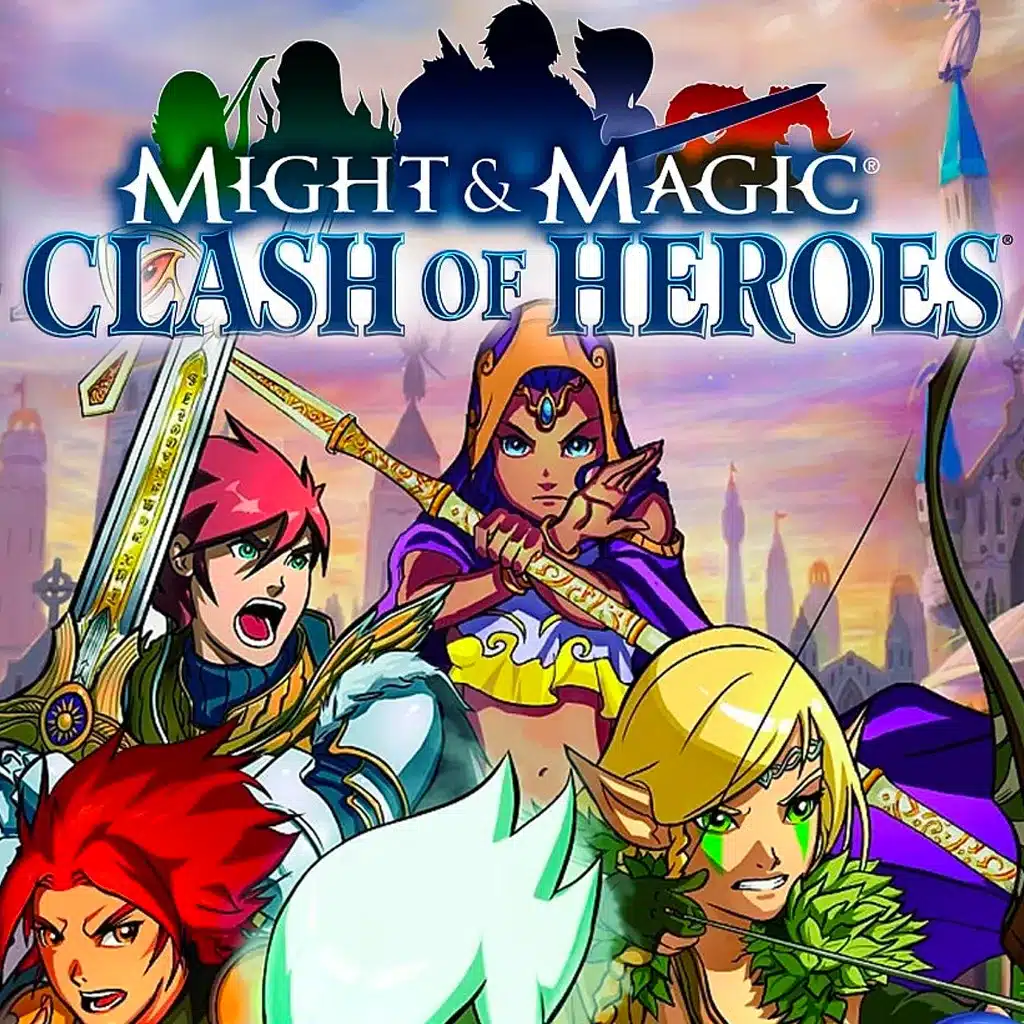
This is a puzzle/strategy/RPG game set within a series best known to hardcore PC gamers. This game stood no chance commercially when it launched on the DS to an audience completely unfamiliar with the Might and Magic IP. Still, gamers who took a chance on this one were rewarded with one of the most complex, creative titles on the system.
Gameplay focuses mainly on puzzle-solving, similar to the beloved Puzzle Quest series. Players coordinate units on a battlefield, aligning them with similar units while navigating them toward their opponents. The simple puzzle-solving hides a tremendous amount of depth. Players begin unlocking more units to take to the field and unique abilities to equip them with. The game currently remains one of the highest-rated games on the system and has seen a re-release on mobile devices.
8. Guitar Hero: On Tour
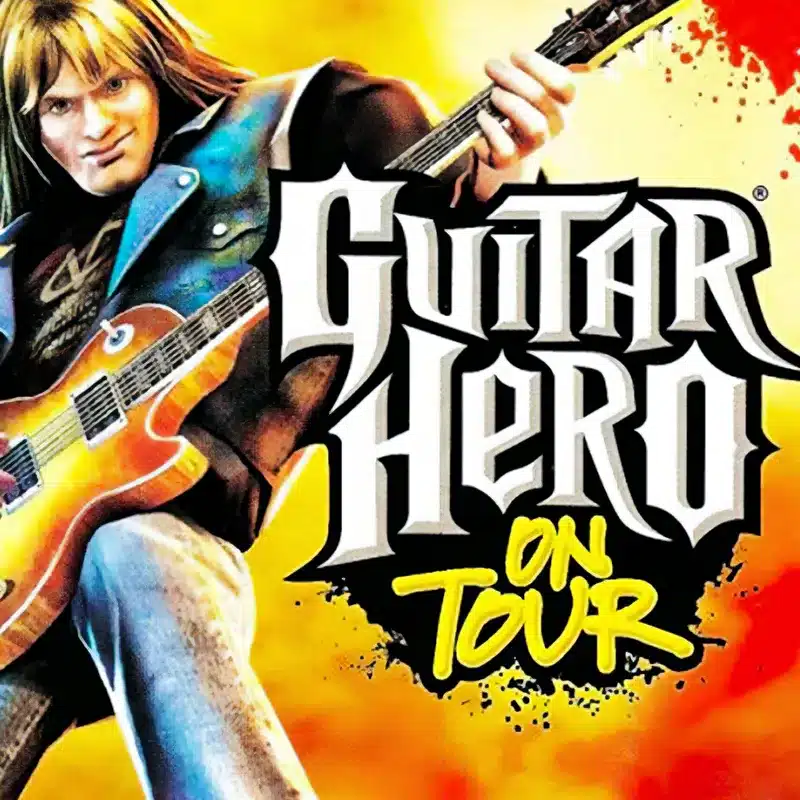
Here’s one that may actually be impossible to play on an emulator. When it came time for Activision to port the insanely popular Guitar Hero series to Nintendo DS and Sony PSP, the developer had a unique problem to solve. How do you translate a game that depends on a guitar accessory onto a mobile device?
For the PSP release, the developer created a game similar to Amplitude that used face buttons with no additional accessories. But for the Nintendo DS version, someone did a lot of drugs and/or caffeine one night and built an actual guitar accessory that slots into the DS’s GBA cartridge slot. With the guitar accessory attached, players hold the DS in portrait mode. They use four colored frets on the side of the system and a guitar pick to “strum” the DS’s touchscreen. The result feels absolutely insane, but somehow it works. It is easily the most creative way to play Guitar Hero on the go.
9. Feel the Magic: XX/XY
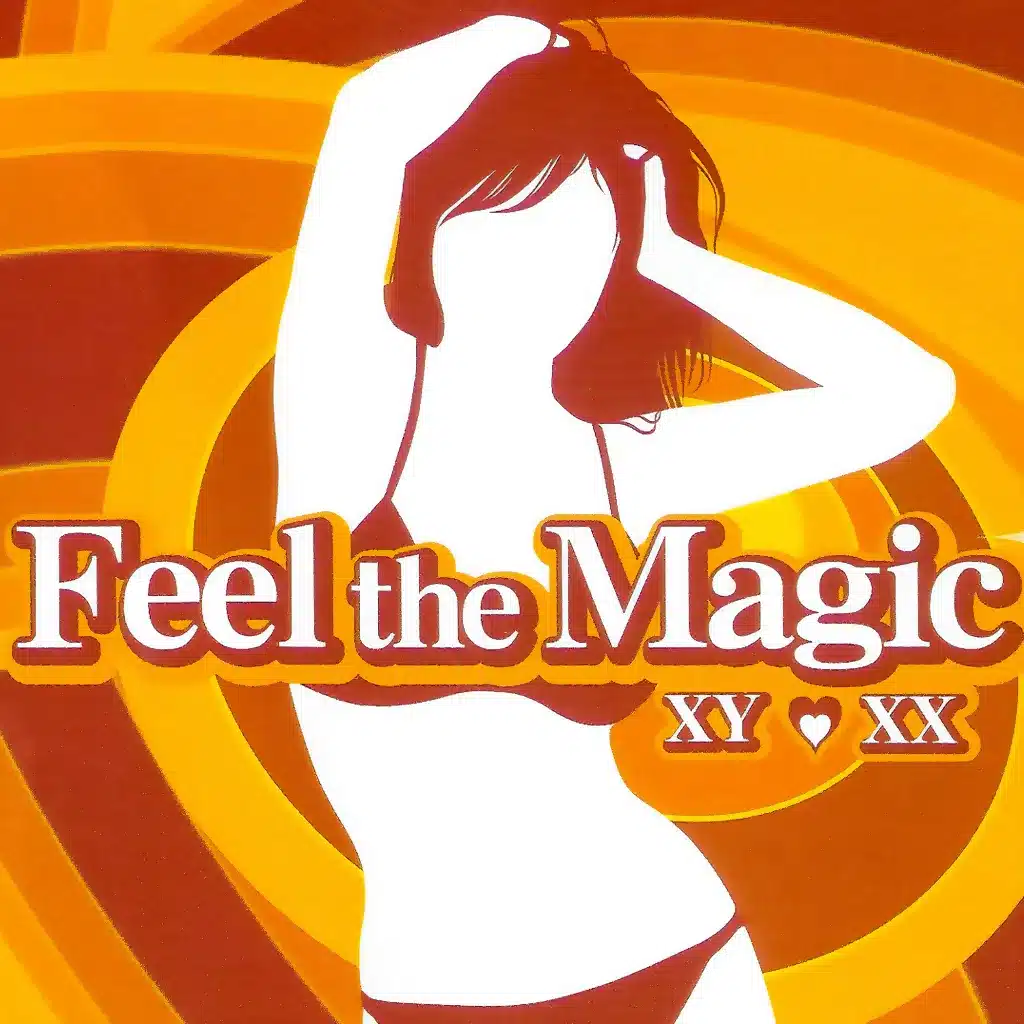
On the side of games that were unique but couldn’t necessarily be categorized as “good,” we have the launch title Feel the Magic: XX/XY. Sega developed this game primarily as a showcase of the DS’s unique features, but it did so in the most insane ways possible.
Players take on the role of a young man who has fallen for a young lady but doesn’t know how to approach her. Enter The Rub Rabbits, a group that helps the young man via the medium of mini-games. Throughout the game, you’ll use the stylus to swat bees away from your date, hold hands with her, help her out of a wet dress, and ultimately—although embarrassingly in public—kiss her via the touchscreen.
Although the box art implies a more “sexy” adventure, the game itself is actually quite tame. The lively art style and incredible music make this one of the more unique experiences on the system. It’s an absolute gem today, but it definitely disappointed gamers who were looking for a meatier experience for their shiny new system.
10. Infinite Space
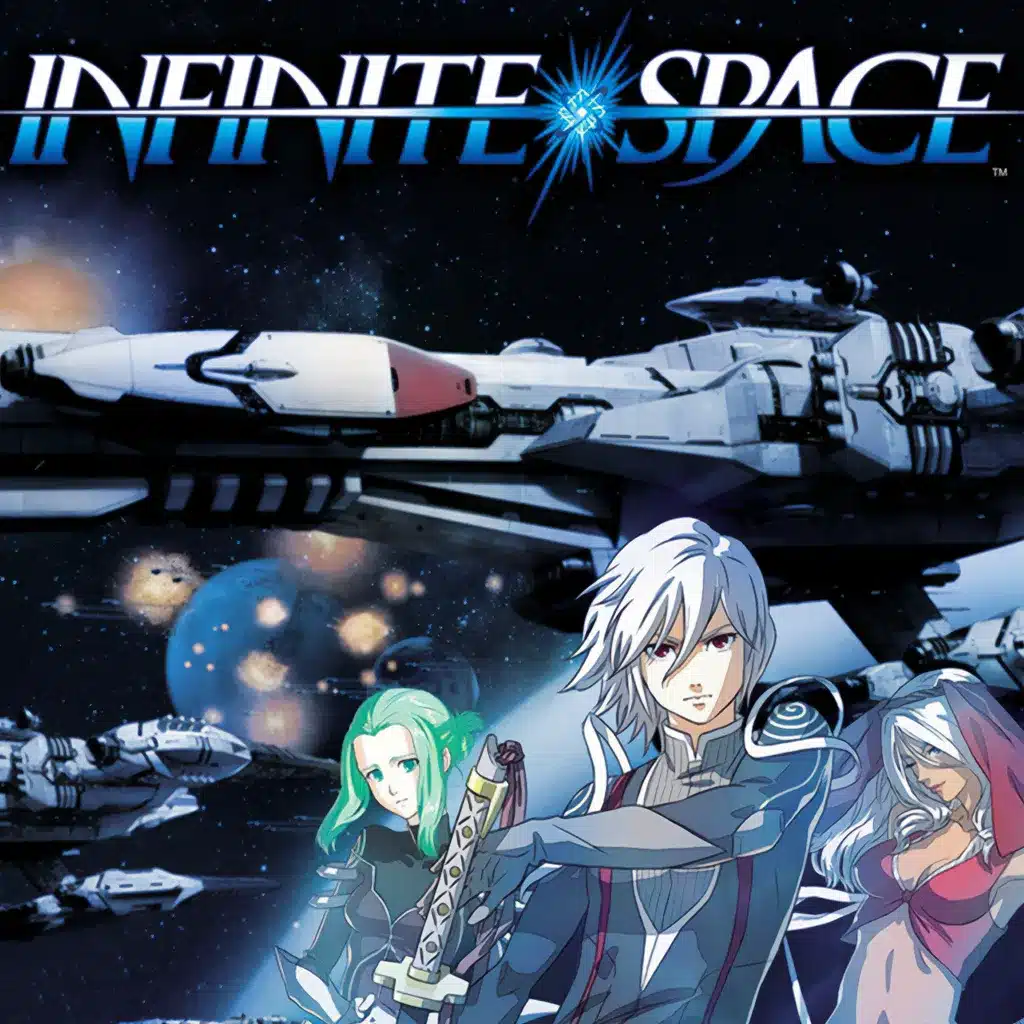
We’re ending on another RPG on a system that seemed destined to house the greatest RPGs ever made. Infinite Space is a unique RPG featuring both character and space-based combat. Featuring an immense pool of top-tier talent, the game was part of a four-game deal between Sega and PlatinumGames, which also produced the classic Bayonetta series.
Players control the gameplay entirely via the touchscreen. You’ll navigate story moments in point-and-click fashion, upgrade your fleet of starships, and strategically fight in space battles against opposing forces. The plot is sophisticated and was inspired by the works of sci-fi writers Arthur C. Clarke and Greg Egan. Players who stumbled upon this rare gem were rewarded with an absolutely stellar space story. The only downside is the game’s challenging difficulty, which divided reviewers at the time. Thankfully, the game is infinitely more accessible today thanks to the save-state abilities of emulators.
