
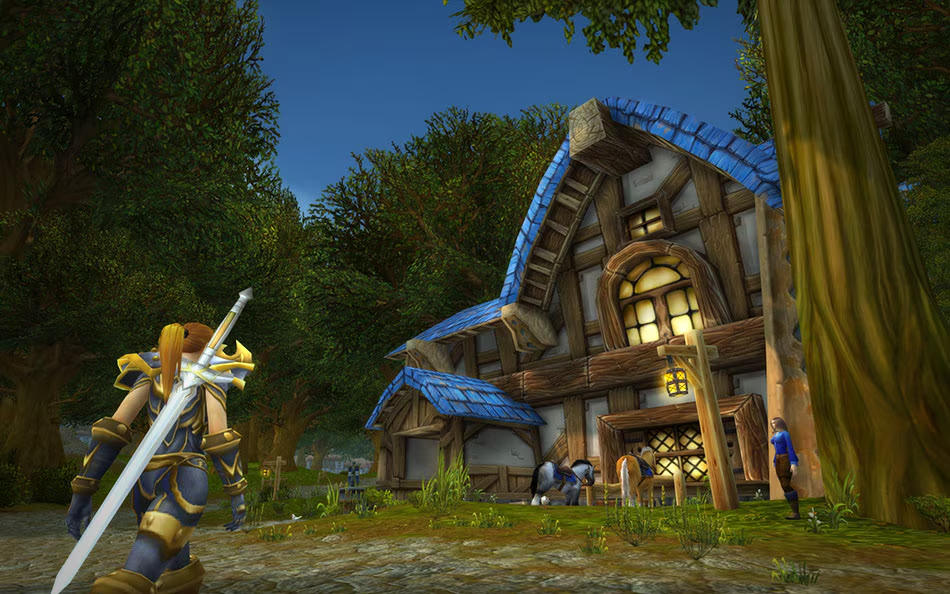
A few months ago, I wrote about some of the lesser-known MMORPG releases that have gone on to get a second life via legally dubious fan-run private servers. These passion projects, often created by fans of games that have long since sunsetted, operate like indie game developers, continuing a game’s operation long after the original developers have stepped away. Typically, these games operate at cost, seeking donations from their player base to cover server hosting but otherwise avoiding profit. However, some recent developments in the private server world have shaken these foundations and put several major communities at risk.
What Are Private Servers?
Private servers, otherwise known as grey servers or emu servers in MMO parlance, are servers run by someone other than the game’s official developer. Players can typically connect their game client to these servers for free, usually through a separate launcher created for the private server. Private servers exist for most MMORPGs, mainly, but not always, MMORPGs that have been discontinued or sunsetted by their original developers.
Depending on the game and team, the private server may be fully feature-complete, mimicking the product available to gamers on the official live servers (known as retail). Others remain perpetual works in progress, bringing back obscure games and driven by teams of passionate former players. Games like Vanguard: Saga of Heroes and EverQuest Online Adventures have private servers that have been in development for over a decade, slowly adding content and features as volunteer teams build them out.
While some of the most popular private server games are long-shuttered titles, there’s also a collection of servers that host games that are currently live, including World of Warcraft, EverQuest, and Final Fantasy XI. These games may even receive unique content built specifically for them, functioning as a sort of “classic plus” experience where player developers who disagreed with decisions made by the original development team can build the game they and their players would have preferred. Some private servers have been bold enough to charge players for premium content or cosmetics, and that’s where things get tricky.
Are MMO Private Servers Legal?
Not really. Each server uses assets, code, and technology created by a development team and owned by someone else. Even a shuttered game is still technically owned by a publisher or developer. Every court case brought against a private server has found the server developers in violation of copyright law. The penalties are usually straightforward: shut the server down or face a massive, potentially bankrupting lawsuit.
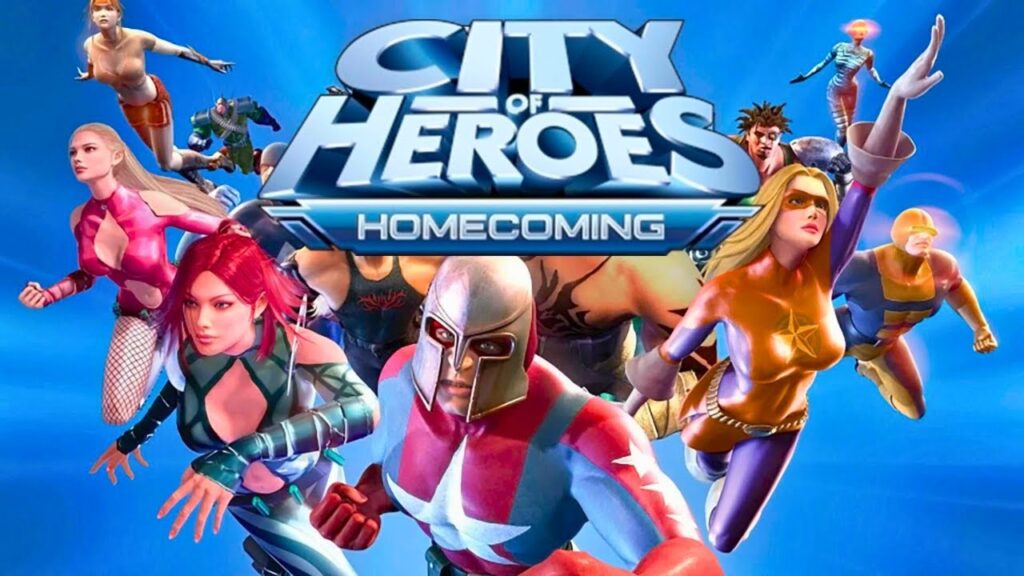
However, for that lawsuit to happen, someone has to know who owns the game, and that person must have both the motivation and resources necessary to pursue legal action. For most older games that have been sunsetted, nobody on the developer or publisher side pays enough attention to care. Some games even operate under a sort of gentleman’s agreement. The original EverQuest developer and publisher, Daybreak Interactive, turns a blind eye to the game’s private server community so long as servers don’t run the game’s most recent expansion packs or attempt to profit from them. Others, like City of Heroes publisher NCSoft, have openly announced that they will take no action against private servers.
For years, this was the status quo. Lately, however, three games have rocked the boat, causing players to wonder what the future holds for their private servers and how developers and publishers will handle these communities moving forward.
EverQuest: The Heroes Journey Private Server Shutdown
A private server for the still-active MMO classic EverQuest, The Heroes Journey operated under a dramatically different ruleset than retail. In The Heroes Journey, players selected three classes instead of one, creating a unique class from hundreds of possible combinations. These three classes effectively turned a single player character into its own group, allowing EverQuest’s notoriously group-focused content to be played completely solo.
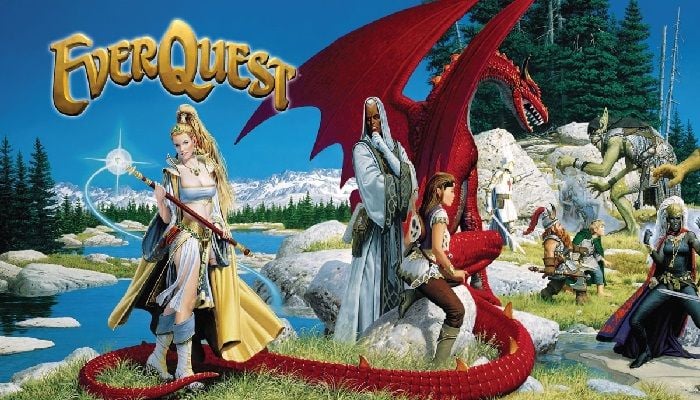
For many longtime fans, this made EverQuest’s massive time commitment far more manageable, as players were no longer blocked from leveling while waiting for friends to log on or searching for a healer.
EverQuest players loved the concept, and the server quickly became the second most popular server behind retail. Not only did the server feature a unique hook, but its team also created custom itemization to better fit the game and gated expansions behind boss progression, giving the entire experience an almost old-school Diablo feel. Unfortunately, the team also began selling premium currency that players could exchange for benefits such as buffs and gear. Estimates suggested the server generated roughly $24,000 per month from item sales, breaking the informal agreement between private servers and the game’s developers.
Daybreak took notice and filed suit in 2025, arguing that the server was using the copyrighted EverQuest IP to generate revenue and draw players away from retail. In early 2026, the judge agreed, and The Heroes Journey was ordered to cease operations.
Then something completely unexpected happened.
The Formation of Everquest Legends
After the judgment, Daybreak Interactive announced it would create its own version of the server using the same ruleset as a standalone game called EverQuest Legends. Furthermore, the company spun up a new Philadelphia-based studio, Game Jawn, staffed by several former emu developers from across the EverQuest private server community.
This set a fascinating new precedent, somewhat comparable to mod creators building something so compelling that the original developers decide to incorporate it into their own game. In this case, nearly everyone wins. Players who found The Heroes Journey more enjoyable than retail now have a new and completely legal home, albeit one with a subscription fee.
How WoW Private Servers Forced Blizzard to Launch Classic
“You think you do, but you don’t”
Those famous words were uttered by J. Allen Brack, President of Blizzard Entertainment, during a BlizzCon Q&A panel when players asked about the possibility of a classic World of Warcraft server.
Like many online games, World of Warcraft had evolved significantly over its fifteen years of operation. For many players, the game had become unrecognizable compared to its original form, and they longed for a return to the simpler days of vanilla World of Warcraft.
There was already an outlet for this. WoW had by far the largest private server scene, with many servers operating under classic or vanilla rulesets. Blizzard consistently argued that players would not actually enjoy a classic version of WoW, viewing it as quaint and outdated, which led to Brack’s now-infamous quote.
Then, in 2015, the WoW private server Nostalrius launched and quickly amassed over 800,000 registered accounts and more than 150,000 active players. Blizzard could not ignore those numbers, which it viewed as potentially lost subscribers.
Blizzard spent the following year suing the creators of Nostalrius into oblivion, forcing the server to close. However, the company now knew it had to respond. At BlizzCon 2017, the same J. Allen Brack who had previously dismissed the idea announced that Blizzard would launch World of Warcraft Classic.
The release became a massive success, adding more subscribers to WoW than any other initiative the team had ever undertaken.
Since then, Blizzard has maintained multiple versions of Classic, some with newer expansions enabled and others featuring modified rulesets. This also gave Blizzard carte blanche to remove competing private servers from the equation, with the latest and most popular server, Turtle WoW, ordered to shut down in March 2026.
So Where Do We Stand With Private Servers Today?
There’s currently some uneasiness within the Star Wars Galaxies private server community. As one of the most visible private server projects, Galaxies has long operated under a sort of “look the other way” arrangement with the game’s stakeholders. Former Daybreak CEO John Smedley even commented that he would not pursue action against the servers, preferring to let players enjoy the unusual and quirky game.
Still, Daybreak doesn’t own Star Wars. Disney does.
And there’s always the fear that one day the notoriously aggressive, Sauron-like gaze of Disney legal may turn toward the game. That day has yet to come, but recent litigation against other private servers has raised questions among the players and developers behind these passion projects.
For the most part, it seems the pieces are beginning to fall into place regarding what will become an acceptable use case for private server communities, one that doesn’t impact existing businesses. Looking ahead, it appears that few emu projects will launch around games that are still operating, while private servers for dead games will likely continue to be left alone.
There is still some grey area. Games like Final Fantasy XI maintain massive private server communities. Some believe the legal situation is more complicated because the game is owned by a Japanese publisher, although that’s probably not a significant factor given that Square Enix operates a U.S.-based branch.
Ultimately, the hope is that these games and their communities continue to survive in some form. This blog supports video game and software preservation, and it’s important to me that no matter how terrible or stupid a game may be, it’s still a work of art created by a passionate team and worth being accessible no matter what.
Private servers, much like piracy, play a critical role in game preservation, and it’s my hope that these games continue to thrive for years to come.
