
Fox is back, for the first time!
Nintendo has announced the first new Star Fox game since 2016’s Wii U entry, Star Fox Zero. Rumors had been swirling since earlier this year when internet leakers allegedly shared Nintendo’s upcoming roadmap, which also includes an unannounced The Legend of Zelda: Ocarina of Time remake.
The speculation exploded with the reveal that Fox McCloud, the series protagonist, would land a starring role in the upcoming Super Mario Galaxy movie, voiced by Top Gun: Maverick breakout Glenn Powell. Revealing the character just days before the film’s official premiere proves that Nintendo is prepping Fox for a larger role in its animated cinematic universe.
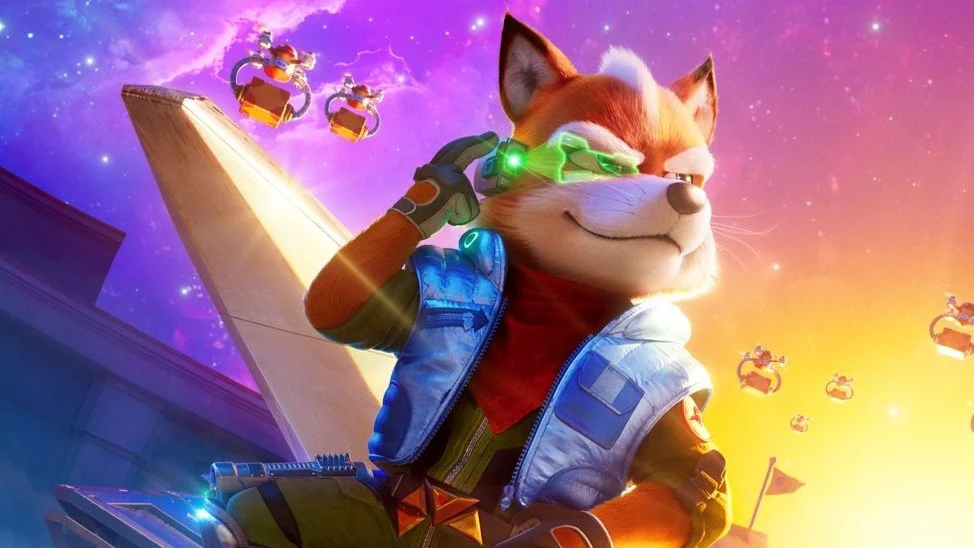
While Nintendo die-hards know the Arwing flight crew by heart, long gaps between releases mean that younger gamers likely only recognize Fox and friends from the Super Smash Bros. series. To make matters worse, the franchise’s track record is a mixed bag. The series peaked early with 1997’s Star Fox 64, and it has been a tough downward slide ever since.
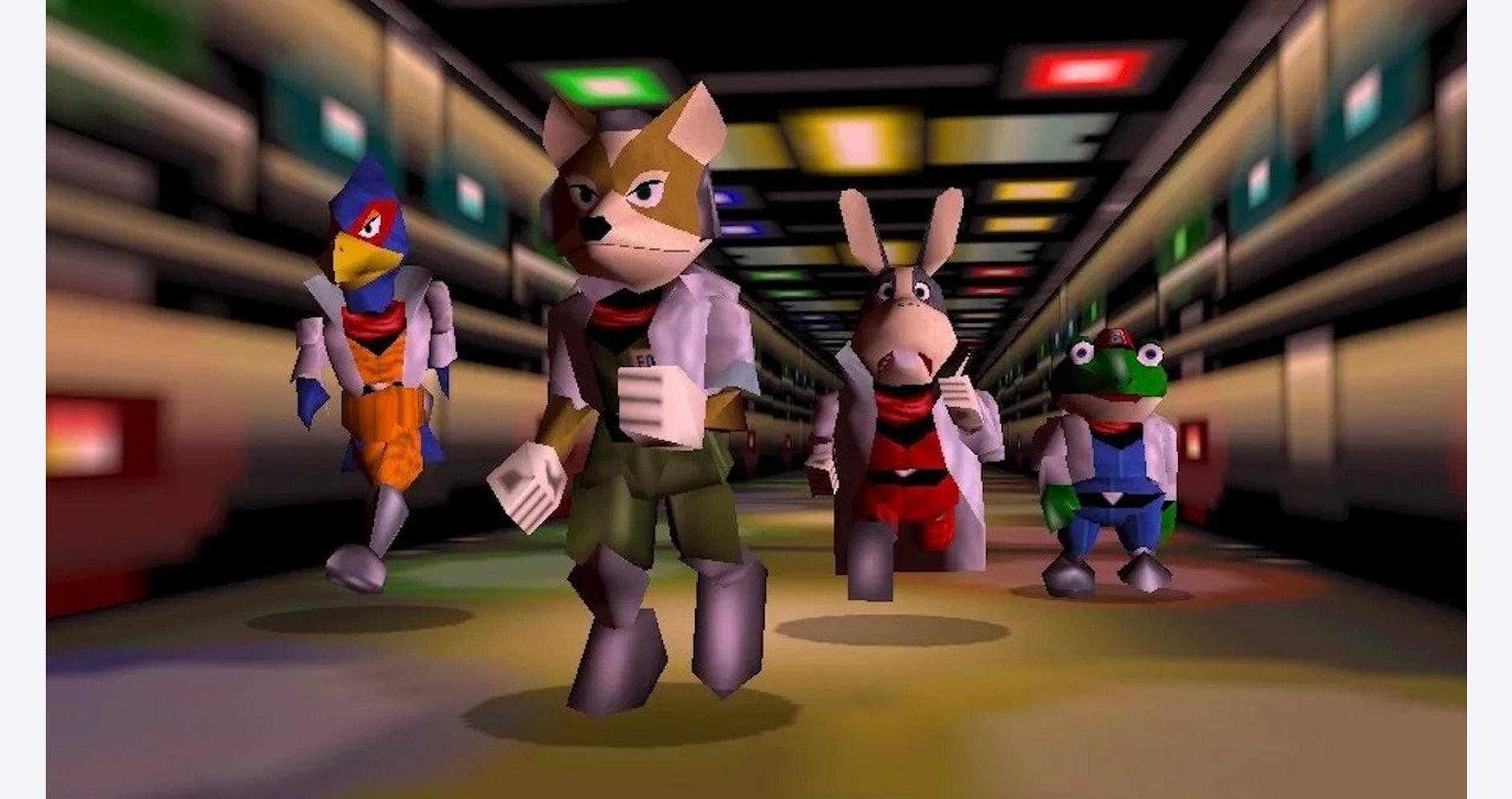
This track record left some of the Nintendo faithful taken aback by the official announcement: this brand-new game in the legacy franchise is a basic, one-to-one remake of Star Fox 64. It features gorgeous new graphics and entirely new cutscenes between missions, which are undoubtedly setting up an upcoming film rumored to be in pre-production at Illumination, the studio behind The Super Mario Bros. Movie.
The History of Star Fox: Why the Series Peaked in the ’90s
Star Fox 64 itself retold the story of the original 1993 Super Nintendo release, Star Fox. The SNES original made waves as the first game to feature 3D polygon graphics on a 16-bit console, powered by an on-cartridge coprocessor known as the SuperFX chip.
The development story of that classic SNES game—which, honestly, feels painful to play today—is fascinating. Originally designed as a tech demo for Argonaut Software’s SuperFX chipset, Star Fox only got the green light under strict conditions: Argonaut programmers Dylan Cuthbert and Giles Goddard had to work onsite at Nintendo’s Kyoto headquarters. Nintendo kept them completely sequestered from internal teams who were secretly developing the hardware for the upcoming Nintendo 64. Shigeru Miyamoto pitched various ideas, ultimately settling on a concept inspired by the X-wing dogfights in Star Wars. He was so impressed by what the duo created that Nintendo aggressively tried to recruit them onto their “Ultra64” project, though the programmers politely declined.
Star Fox launched to massive sales, even though the custom chip drove up the cartridge’s retail price. Production quickly began on Star Fox 2 for the SNES, but Nintendo abruptly canceled the completed sequel. Management feared that a high-profile 3D SNES game would distract consumers from the upcoming Nintendo 64 launch. Instead, Nintendo shelved the finished game and decided to build an entirely new Star Fox title from scratch for their next console.
With many veteran developers locked down on Mario and Zelda projects, Nintendo tasked its greener, 3D-inexperienced developers with building the new Star Fox. To train them on the hardware, the team focused on porting the original SNES game to the Nintendo 64. This early tech demo heavily influenced the final product. Rather than continuing the narrative planned for Star Fox 2, the project evolved into a reimagined retelling of the original game.
Star Fox 64 launched in 1997 to rave reviews, though critics noted its brief length. Despite offering branching paths, a single playthrough took barely an hour. Star Fox suffered from the same core issue that plagued Sonic the Hedgehog’s transition to 3D: a fast-moving vehicle required massive environments for the player to fly through. Compared to Mario and Zelda, where players explored worlds at a slower pace, Star Fox was an absolute environment-art hog.
This limitation heavily influenced Nintendo’s strategy for the next game. They handed the keys to their most prized second-party developer, Rare. Miyamoto convinced Rare to pivot away from their in-development project, Dinosaur Planet, and convert it into a Star Fox title instead. Dinosaur Planet was a traditional, Rare-style collect-a-thon platformer. This slower gameplay style allowed Nintendo to flesh out Fox McCloud and his crew. To retain some classic flavor, Rare spun up a separate internal team to develop traditional, on-rails flight levels.
Star Fox Adventures launched to average reviews, and fans rejected the drastic shift away from the cockpit. Despite its market underperformance, Nintendo greenlit a sequel: Star Fox: Assault. This time, Bandai Namco took the reins to focus heavily on multiplayer battles. The initial multiplayer-only reveal trailer triggered a rare event in company history: audible boos from the audience at E3. Nintendo made the costly decision to delay the game and add a single-player campaign, promising a return to the franchise’s roots. The game launched in 2005 to decent reviews and stable sales, but fans still openly pinned it against the 1997 classic.
Nintendo’s Search for the Missing Formula
Nintendo struggled to find an external developer that could replicate the magic of Star Fox 64. For the next entry, they tapped Kyoto-based Q-Games, a studio led by Dylan Cuthbert, the former lead programmer of the original SNES games. Wanting to introduce the brand to younger players, Nintendo insisted on developing the game for the wildly popular Nintendo DS rather than the Wii. The gameplay focused on the open, “all-range” 3D environments of the canceled Star Fox 2 rather than traditional on-rails corridors. It also resurrected a strategy layer from Star Fox 2, forcing players to command squadrons on a tactical map. Star Fox Command earned decent reviews but mediocre sales. Critics argued that the franchise had once again veered too far from what made Star Fox 64 great.
Tellingly, the 3DS remake of Star Fox 64 went on to become the best-selling modern title in the franchise. This success convinced Nintendo to return to basics for the next mainline entry: Star Fox Zero, which arrived on the Wii U in 2016. The game reimagined Star Fox 64 once again, designing its mechanics around the Wii U’s unique dual-screen setup. Unfortunately, while players liked the concept, the forced, awkward motion controls killed the momentum. The game suffered poor reviews and disastrous sales. After nearly two decades of underperformance, Nintendo officially shelved the franchise.
The Smash Bros. Cinematic Universe Demands It
Despite a string of commercially mixed games, Fox McCloud remained a beloved mascot with a massive presence in the competitive Super Smash Bros. scene. His appearances in the fighting franchise, bolstered by the 3DS remake and the surprise official release of Star Fox 2 on the SNES Classic Edition, kept the character relevant to a generation that had never played a mainline Star Fox game.
Fox McCloud, Peppy Hare, Falco Lombardi, and Slippy Toad are tailor-made for an animated movie. Nintendo sits on a deep bench of intellectual property, giving them the unique ability to construct a Marvel-style cinematic universe. Some analysts predict that the upcoming live-action Legend of Zelda movie could become one of the highest-grossing films of all time without a single frame of footage being shown. But Nintendo is smart enough to learn from Hollywood’s recent franchise fatigue: you have to walk before you can run. You can’t just launch a Smash Bros. movie; you have to build toward it. Looking across Nintendo’s roster, few characters translate to the silver screen as seamlessly as Star Fox.
The Star Wars Connection
To make Star Fox a cinematic success, Nintendo has to introduce the IP to a young audience that knows nothing about it. Disney faced the exact same problem when they acquired Star Wars. A decade had passed between Revenge of the Sith and The Force Awakens. Older fans adored the original trilogy but felt burned by the prequels, while the youngest generation had no relationship with the franchise at all.
Disney knew that to turn Star Wars into a box-office juggernaut that could rival Marvel, they had to go back to basics. Hardcore fans criticized The Force Awakens for being a beat-by-beat retelling of A New Hope. For Disney, however, this was the exact playbook required to reboot the brand for a new generation. Whatever your thoughts on the current state of Star Wars, Disney’s initial launch strategy worked perfectly. You only need to look at the millions of BB-8 toys sold or the kids dressed as Rey and Kylo Ren on Halloween to see its effectiveness. Nintendo is clearly using that exact blueprint.
The Other Fox in the Room
Modern game development has become incredibly expensive, and publishers struggle to maintain a consistent release cadence. Production cycles easily stretch to four or five years. Nintendo is famously meticulous with its core characters, making them hesitant to take uncalculated risks.
It makes complete sense that ahead of both a Zelda movie and a Star Fox movie, Nintendo is re-releasing the defining entries of those franchises for modern hardware. This approach offers a massive business advantage: Nintendo can confidently hand the keys of a beloved IP to a relatively inexperienced studio. The gameplay blueprint is already proven; the developers just need to focus on graphics, performance, and asset management.
According to industry rumors, Nintendo’s Singapore studio—a relatively new group that has primarily served as a support team for other titles—is handling the Star Fox remake. Re-designing an established masterpiece is the perfect way for an inexperienced studio to cut its teeth. Much of the workload involves outsourcing and managing art vendors, making the development highly scalable. If Nintendo needs the game finished faster, they can simply inject more money into the art budget without risking core design setbacks or bad focus-group feedback.
The New Era of Re-Releases
Nostalgia bait is a powerful drug. As Nintendo expands its theatrical film strategy, expect to see more of these carefully calculated remakes. Why risk capital on a brand-new Metroid entry when you can beautifully remaster the Metroid Prime trilogy? Do F-Zero or Wave Race truly require expensive, ground-up sequels when their GameCube and N64 iterations remain incredibly fun to play with a simple visual upgrade?The ultimate question is what Nintendo plans to do after this launch. If the remake and the movie succeed, Nintendo will suddenly find themselves with an internal studio that is fully trained on the IP. A brand-new, original Star Fox adventure on the Switch’s successor becomes highly likely. If it fails, well… we can just wait another ten years and try again.
