
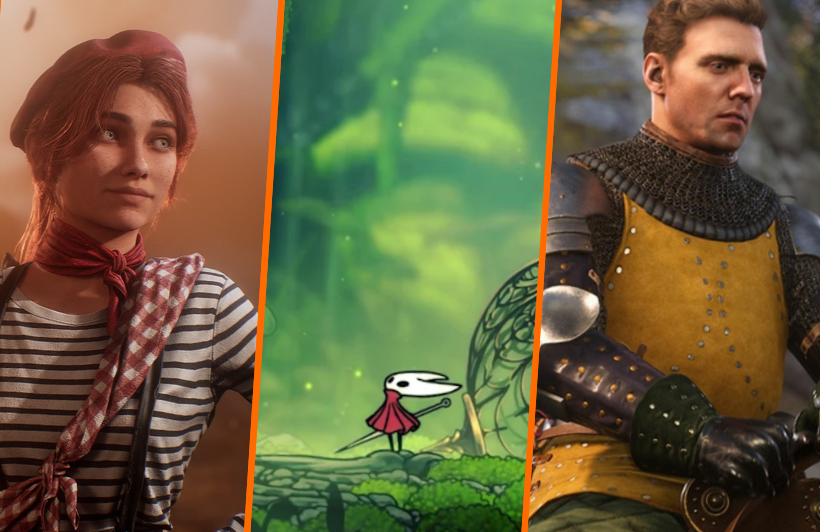
2025 was a thoroughly unusual year for gaming. The release schedule was upended by multiple Grand Theft Auto VI delays, and hardware became increasingly costly due to tariffs and the demands of AI research. Meanwhile, an industry struggling with change saw nearly 25,000 jobs eliminated following two years of devastating layoffs. Against this backdrop, 2025 may be remembered as a pivotal year: a time when players began to pivot away from traditional AAA titles, publishers finally acknowledged the “black hole” of chasing live-service trends, and smaller-scale AA games—backed by passionate developers and modest budgets—emerged as a force to be reckoned with.
With the Game Awards now behind us, a French-developed JRPG swept nearly every category and broke the record for the most awards won by a single game. However, it is worth examining the other contenders to see what they reveal about current tastes and trends.
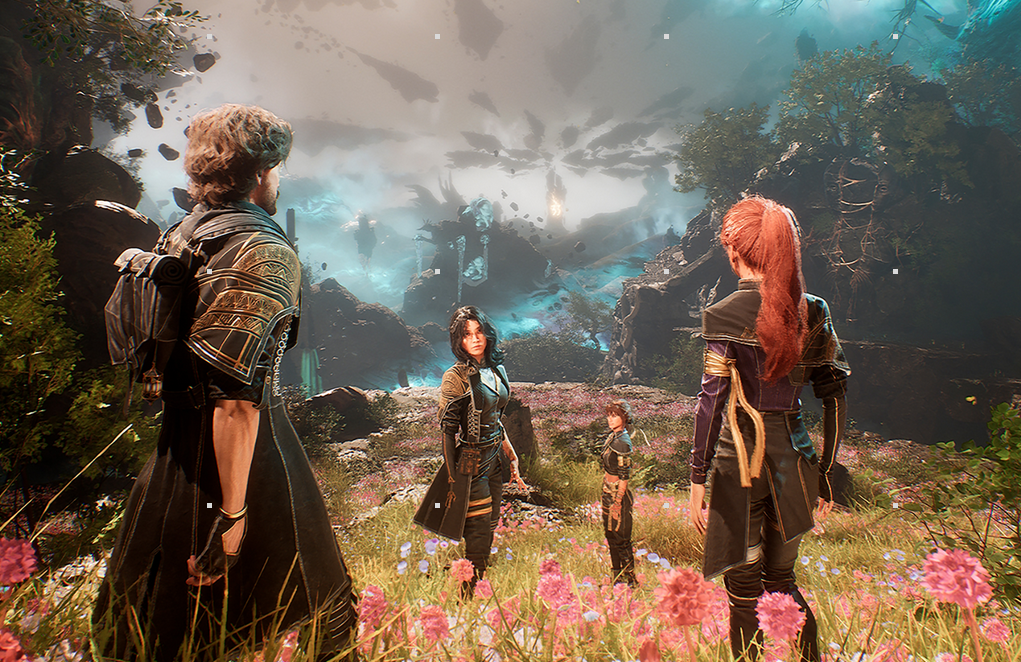
The Nominees
Starting with the elephant in the room: Clair Obscur: Expedition 33, developed by Sandfall Interactive. A passion project born from a creative mind who found his work at Ubisoft unfulfilling, the development of Expedition 33 is seen by many as a “Cinderella story.” It features a team of passionate creators who built exactly what they wanted, unburdened by modern gaming grievances. The message was clear: this was a refined love letter to the JRPGs of the past (especially Final Fantasy X) and far removed from the glut of live-service titles offered by modern publishers. Much like Baldur’s Gate 3 a few years ago, this was a game as players wanted it to be—something that reminded them of a simpler, less cynical time in gaming culture.
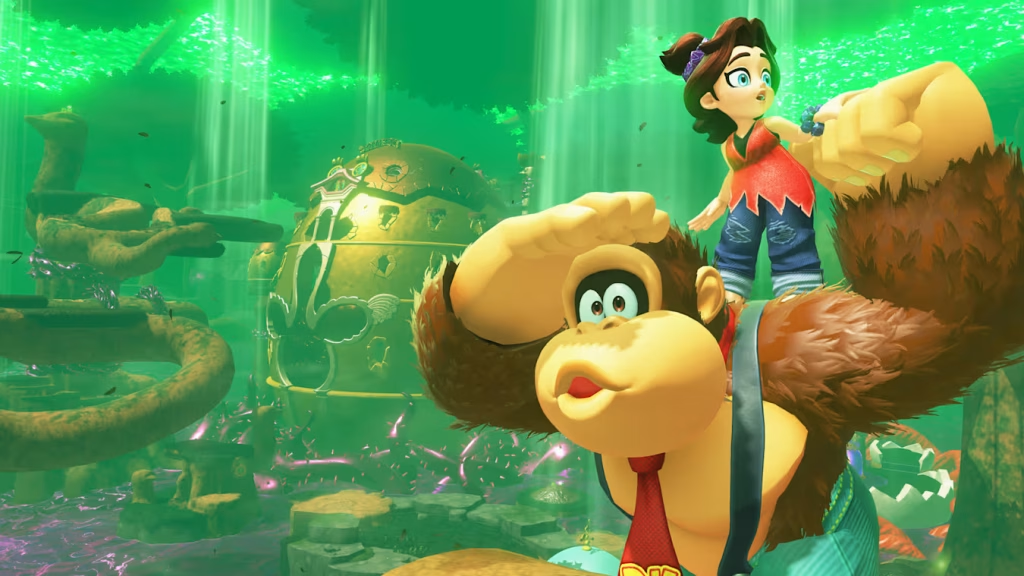
On the other end of the spectrum was Donkey Kong Bananza, considered a dark horse entry (though, to be fair, few thought anything stood a chance against the cultural juggernaut of Expedition 33). Donkey Kong was a surprise in many ways, serving as a flagship title in a year of relatively light first-party support for Nintendo’s shiny new hardware. Reactions to Bananza were initially polarized; the announcement trailer made players feel they were being robbed of a proper 3D Mario in favor of a smaller-scale spin-off. However, one should never count “the Big N” out. Upon release, Donkey Kong Bananza proved to be as creatively designed as anything from the house of Mario. While the Nintendo fandom rallied around it, the general gaming population ultimately found little to remember within its well-polished walls.
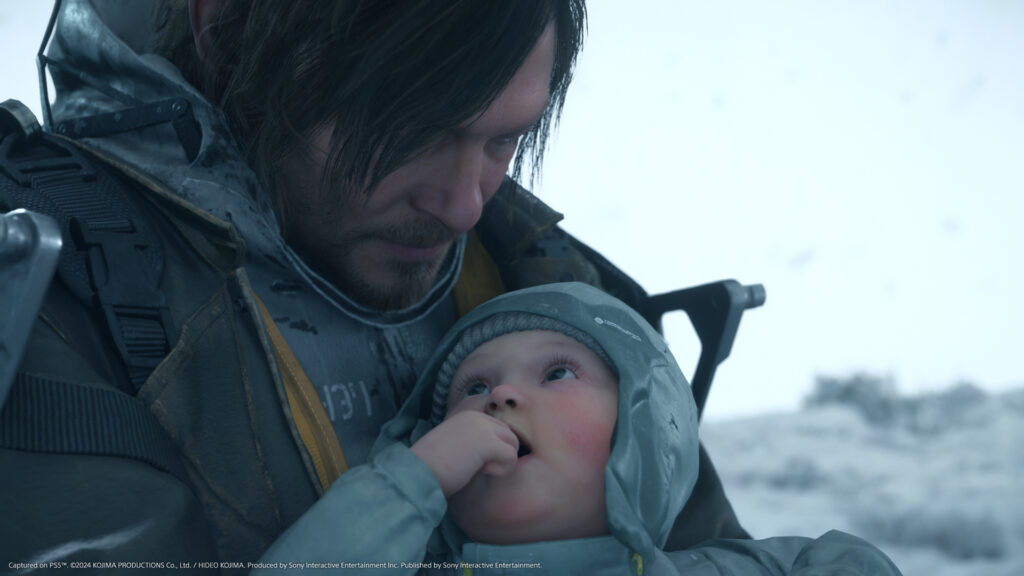
The other noticeably distinct nomination was Hideo Kojima’s Death Stranding 2. The first game was a polarizing, bizarre fever dream drenched in its creator’s eccentric whims. Both the original and its sequel defy expectations by gamifying the simple act of carrying items from point A to B, utilizing dazzling graphics, captivating performances, and a storyline that is both sweeping and completely indecipherable. For fans of Kojima, this was “peak Kojima.” For general audiences, however, it suffered from “did anyone really want a sequel to this?” syndrome. Sales were sluggish, the cultural impact was minimal, and despite being an improvement over its predecessor in every way, it came and went without much conversation. It also held the distinction of being the “most AAA” nominee, boasting a large budget and major industry backing. Some gamers viewed its nomination cynically, noting the well-known relationship between Kojima and the host of the Game Awards.
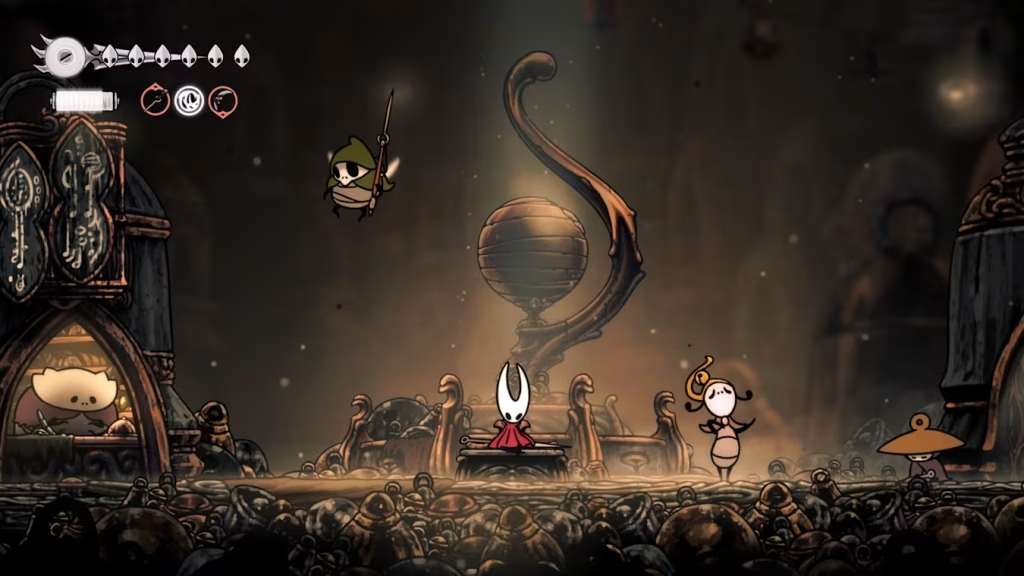
Finally, we have the indie hits: Hollow Knight: Silksong and Hades II. Both were highly anticipated sequels to beloved titles, and both wear their indie “street cred” as a badge of honor. Like Expedition 33, these are passion projects built “by gamers, for gamers.” These titles exemplified a quality currently being lost in modern gaming: a “pick-up-and-play” mentality. They get the player into the action quickly, remain intuitive, and forgo unnecessary downtime. There is a growing realization, led by indies like these, that gaming has become too bloated; both younger and older gamers find themselves strapped for time and unable to commit to another 100-hour Assassin’s Creed. Their affordable pricing further signals to the player that these games respect their time.
The Katsu Award goes to…
Story of Seasons: Grand Bazaar. Yes, this was the best game released this year.
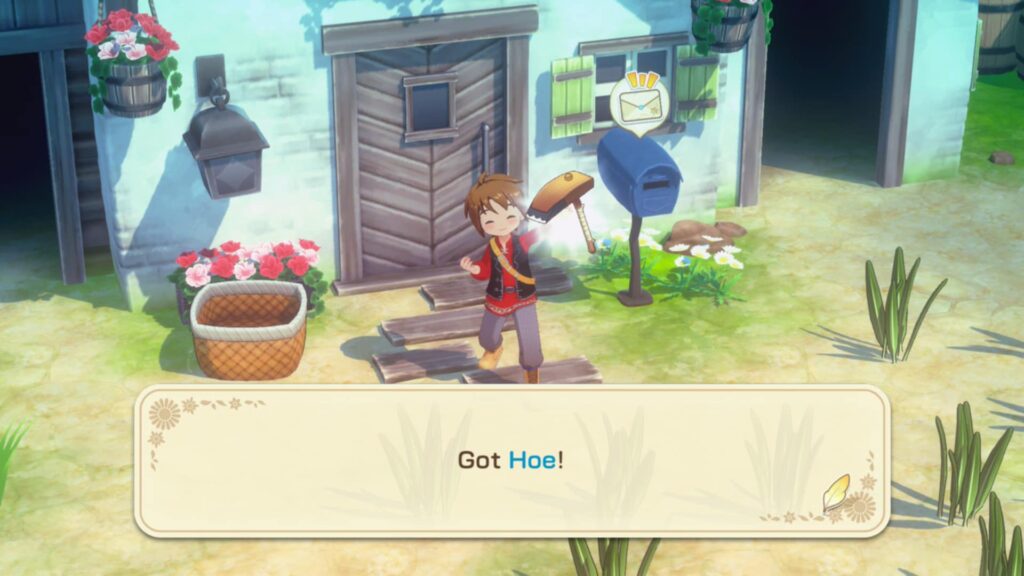
But let’s talk about the final official nominee and my personal favorite game of 2025: Kingdom Come: Deliverance 2.
I often describe the Kingdom Come series as the best game I would never recommend to anyone I know. It takes a very specific type of player to enjoy this experience. Everything I wrote previously about respecting a player’s time is thrown out the window in this 160-hour epic. Instead of hand-holding or gently introducing systems, Kingdom Come seems quite happy to make the player miserable at the start of the adventure. Our protagonist, the God-fearing Henry of Skalitz, is a peasant in a world of knights and lords. In the first game, he began as an illiterate youth who could barely lift a sword. Little has changed; as Henry comes to grips with his new role among the aristocracy, he remains inept at most things, and getting him up to speed feels like a daunting task.
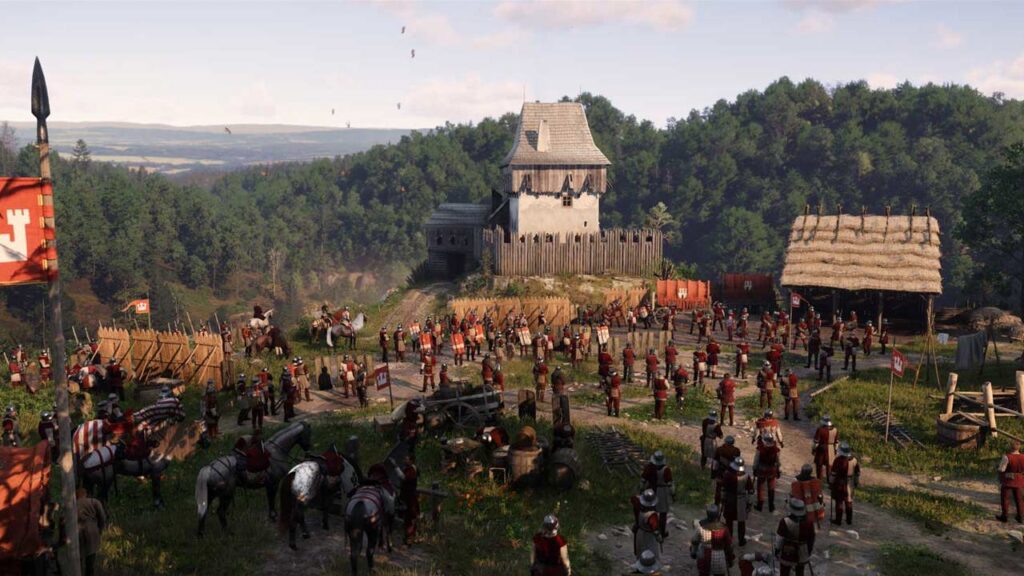
This extreme character-building exercise takes place against the backdrop of a historically accurate Bohemia. When I say “accurate,” I mean this team did their research—weapons, armor, and combat are all steeped in realism. This dedication extends to the gameplay systems: an unwashed Henry cannot even converse with the upper class until he bathes and dons appropriate attire. Combat is purposely obtuse—a frustrating dance where you only feel partially in control—and engaging more than one enemy at a time is a death sentence. Henry must eat, drink, and bathe; even going outside at night without a torch is illegal. The endless ways the developers force the player to play immersively is my favorite part of the game, yet it’s also why it is nearly impossible to recommend.
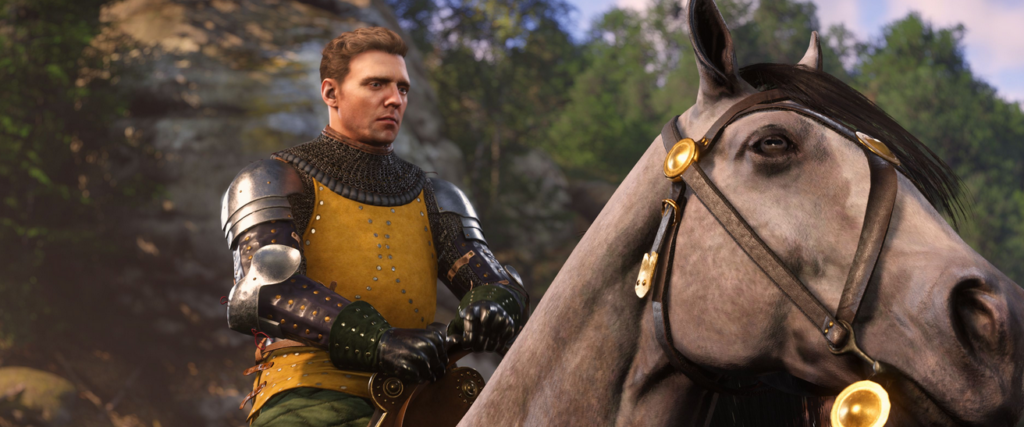
Still, Kingdom Come: Deliverance 2 continues the pattern seen in this year’s other nominees: it isn’t meant for everybody. When developers try to create something for the widest possible market, you end up with a Dragon Age: The Veilguard situation—a game too obtuse for newcomers but so milquetoast that long-time fans reject it. This is the greatest lesson the industry can learn from this year’s nominees: focus on smaller budgets and niche titles that target a predictable segment of the market.With all these things considered, we here at Gamekatsu award Kingdom Come: Deliverance 2 our coveted Katsu Award for Game of the Year. Well, that and Story of Seasons: Grand Bazaar.